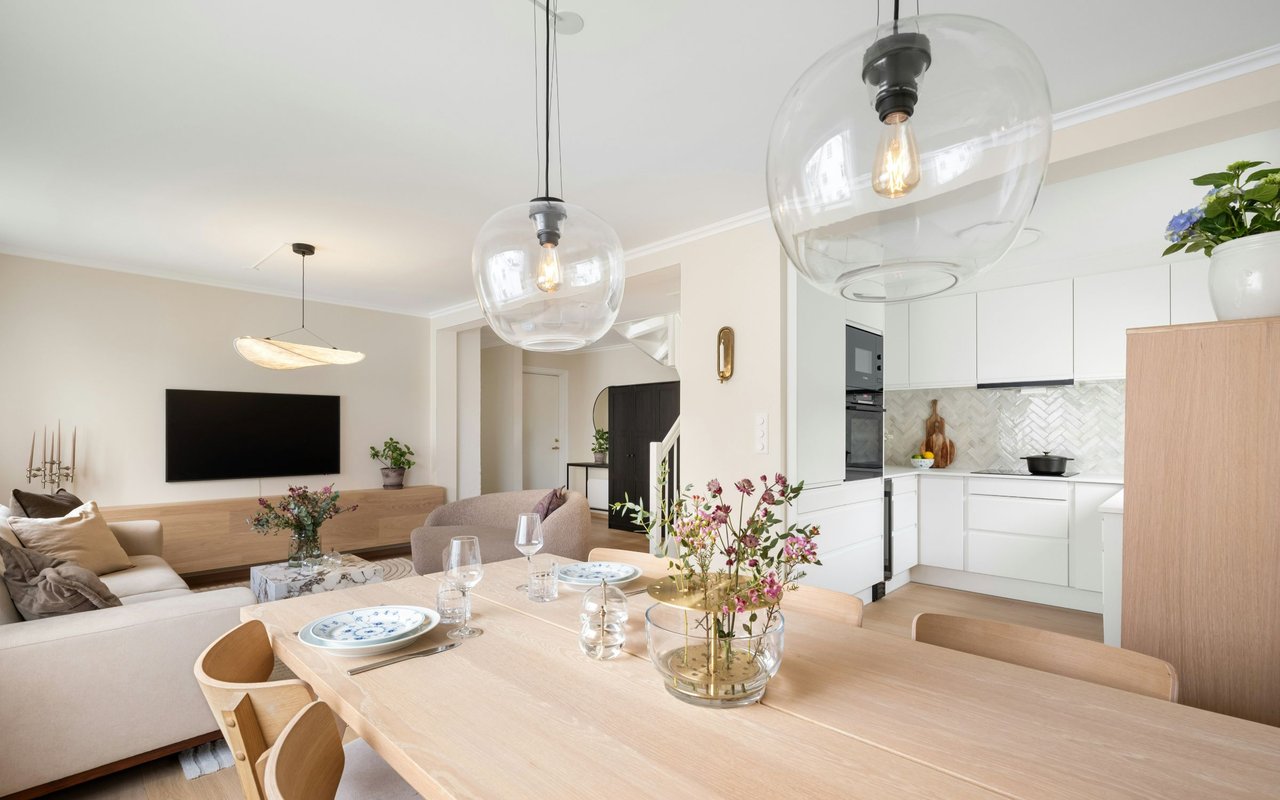

Thinking about selling your Burlingame home and not sure if spring or fall will work best? You are not alone. In a small Kansas town, the rules can feel different from big-city headlines. In this guide, you will learn how seasonality typically plays out here, what local signals to watch, and how smart prep and marketing can make either window work. Let’s dive in.
Spring in Burlingame, KS
Across most U.S. markets, buyer traffic typically peaks in spring, roughly March through May. Listings often get more showings, spend fewer days on market, and sell closer to asking price compared with midwinter. In Burlingame, that spring edge is real, but it can be smaller than in big metros because buyer pools are thinner.
Why spring works
- Larger buyer pool as many households try to move near the end of the school year.
- Better weather for photos, showings, and curb appeal projects.
- Fresh momentum after winter and potential tax refunds in buyers’ pockets.
When spring is not required
- If recent Burlingame comps show quick fall sales, the spring advantage may be minor.
- If inventory is very low, a well-prepared home can stand out any time.
- If you cannot complete prep in time for spring, fall can be a strong Plan B.
Why fall can also be smart
Fall often brings a smaller buyer surge, especially from August to October. There are usually fewer new listings, which can reduce competition for attention. Buyers active in fall may also be more motivated because of job changes or end-of-year timelines.
- Lower listing competition can help a well-priced home shine.
- Motivated buyers can mean faster decisions.
- With thoughtful pricing and strong marketing, fall results can rival spring in smaller markets.
Small-town factors that shape timing
In Burlingame, demand rises and falls, but swings are often gentler than in large cities. Local relocations, regional commuters, retirees, and remote workers can drive activity year-round. Weather patterns matter too, since spring storms and summer heat can affect exterior work and showings.
- Smaller buyer pools mean timing advantages are more subtle.
- Local events and employer schedules can influence showing traffic.
- Retirees and remote workers may shop on a steadier year-round cycle.
Check your local signals first
Before you pick a listing month, review a few on-the-ground indicators. These clues help you choose the better window for your price point and property type.
Inventory snapshot
- Months of inventory: Low supply favors listing sooner; higher supply puts extra weight on pricing and condition.
- New listings vs pendings: If pendings are keeping up with new listings, demand is healthy.
- Days on market by season: Look for Burlingame or Osage County patterns over the last 12 to 24 months.
Recent comps
- Study similar homes that sold in spring vs fall and compare speed and price performance.
- Note any quick sales outside spring. Those weaken the idea that spring is the only “right” time.
Price band and buyer type
- Entry-level homes often move year-round if priced correctly.
- Higher-price homes can be more seasonally sensitive and may benefit from a spring launch.
Home condition
- Move-in ready homes show well in any season.
- Homes needing updates may benefit from a prep plan that aligns with your preferred timing.
Prep timeline: 2 to 12 weeks
Plan your calendar so your home hits the market at its best. Adjust this outline for your home’s condition and contractor availability.
0 to 2 weeks: decide and plan
- Meet an agent to review local data and pick a target window.
- Decide on pre-list inspections and get estimates for known issues.
2 to 6 weeks: cosmetic improvements
- Fresh paint in a neutral palette, minor repairs, and a deep clean.
- Landscaping: in spring, plant and mulch; in fall, remove leaves and clean gutters.
- Schedule staging and professional photography.
4 to 10 weeks: bigger upgrades if needed
- Tackle flooring, kitchen or bath refreshes, and exterior touch-ups.
- Consider pre-list inspections for roof, HVAC, or septic if relevant.
1 to 2 weeks before listing
- Final clean and staging, interior and exterior photos, and marketing materials.
- Set pricing, showing rules, and days-on-market targets.
Listing week
- Add to the MLS, schedule open houses, launch digital ads, and notify local buyer agents.
Seasonal details to highlight
- Spring listing focus: curb appeal with clean beds, fresh mulch, and power washing. Confirm irrigation is working and remove winter clutter.
- Fall listing focus: cozy interior touches, clear walkways, leaf-free gutters, and visible yard care. Service the HVAC ahead of cooler weather.
Marketing that levels the seasons
The first 1 to 2 weeks on market are critical. High-quality marketing can narrow the gap between spring and fall outcomes in smaller markets like Burlingame.
- Professional photography, 3D tours, and clear floor plans increase online engagement and show-rate.
- Targeted digital advertising and agent-to-agent outreach help surface buyers who may not be scanning every portal.
- Concierge-style improvement programs, such as Compass Concierge, can fund cosmetic work so you do not miss your ideal window.
Why the first two weeks matter
A large share of showings and offers typically arrives early in the listing cycle. Strong pre-launch prep and a coordinated rollout help capture that initial wave of attention. Think of it as your home’s premiere night.
A simple decision framework
Use this quick flow to match timing to your needs and the current market.
- Urgency of sale
- Need to sell within 60 days: list as soon as ready with competitive pricing and clear showing access.
- Flexible by 3 months or more: target spring for maximum exposure or plan a strong fall launch.
- Local inventory and comps
- Low supply and recent quick sales: move forward even outside spring.
- High supply or slower comps: timing and standout presentation matter more.
- Condition
- Move-in ready: choose the window that aligns with your life and marketing plan.
- Needs work: use a 6 to 12 week plan or a concierge-style program to prepare.
- Price band and buyer profile
- Entry-level homes: steady demand can support any season with smart pricing.
- Higher price: lean toward spring or pair a fall launch with robust marketing.
Final thoughts
Spring is often a safe default in Burlingame, but it is not the only path to a great sale. With local data, disciplined prep, and strong marketing, a fall listing can perform just as well. The best timing blends your goals, the home’s readiness, and current inventory.
Ready to map out your timing and prep plan step by step? Reach out to Suzanne Garcia to talk through options and build a listing calendar that fits your goals.
FAQs
Is spring always best for selling in Burlingame, KS?
- Not always. Spring often brings more buyers, but in small towns the advantage can be modest. If inventory is low or your comps show quick fall sales, either season can work.
What makes fall a good time to list in Burlingame, KS?
- Fall often has fewer competing listings and more motivated buyers. With careful pricing and strong marketing, fall results can rival spring.
How far in advance should I prepare my Burlingame, KS home?
- Plan 2 to 6 weeks for cosmetic prep and staging, and 6 to 12 weeks if you need larger updates or contractor coordination.
Do photos and staging matter in a small market like Burlingame, KS?
- Yes. Professional photos, floor plans, and staging improve online engagement and can reduce days on market, even in smaller towns.
Should I get a pre-list inspection for a Burlingame, KS property?
- Consider it if you expect concerns like roof, foundation, HVAC, or septic. It can reduce uncertainty for buyers and speed negotiations.
How does broker marketing change timing for my Burlingame, KS sale?
- Robust marketing and programs like concierge-funded improvements can help you launch sooner and perform well in either spring or fall.