If your work schedule no longer revolves around a daily office commute, your home search can open up in exciting ways. Pacifica often catches the eye of buyers who want more access to the coast, trails, and open space without giving up connection to the broader Peninsula and San Francisco. If you are wondering whether Pacifica fits the way you live and work now, this guide will help you weigh the lifestyle, housing options, pricing, and practical trade-offs. Let’s dive in.
Why Pacifica Appeals to Flexible Workers
Pacifica is a coastal city about 12 miles south of San Francisco, but it does not feel like a dense, urban extension of the city. According to the city, more than half of Pacifica is protected open space, and its neighborhoods are spread across distinct beach communities instead of one central downtown. For many buyers, that creates a lifestyle-first setting that feels especially appealing when you do not need to commute every day.
If you work remotely full time or head into the office only a few days a week, Pacifica can offer something many buyers want right now: breathing room. You may be able to prioritize ocean access, nearby trails, extra living space, or a better work-from-home setup instead of choosing a home mainly for rail proximity or a downtown core.
That does not mean Pacifica works for everyone. It tends to make the most sense when you value coast and open space more than transit density and everyday urban convenience. If that sounds like you, Pacifica deserves a close look.
What Daily Life in Pacifica Feels Like
One of Pacifica’s biggest draws is how much of daily life happens outdoors. The city highlights beaches, hills, trails, and small shopping areas as central parts of its identity. That can be a strong match if your flexible schedule lets you take a morning walk, surf before work, or step out for a midday trail break.
Pacifica State Beach is one example of that lifestyle. The city notes that it offers beach access, an oceanfront recreation trail, surfing, restrooms, and showers. Nearby, Mori Point adds protected coastal open space, while San Pedro Valley Park offers more than 1,000 acres of hiking, picnic areas, a visitor center, and seasonal waterfall views.
For many buyers, that lifestyle benefit is not just a weekend perk. When your home doubles as your office, access to outdoor space can shape how your entire week feels. Pacifica gives you that coastal backdrop in a way that is hard to duplicate in more transit-centered Peninsula cities.
Pacifica Homes Vary More Than You Might Expect
A common mistake is thinking of Pacifica as one uniform housing market. In reality, the city has a wide range of neighborhoods and home styles, and that matters when you are shopping with a flexible work schedule.
Pacifica’s housing pattern is still dominated by single-family homes. The city’s 2023 Housing Element update says about 91% of residential land use area is single-family, while roughly 9% is multi-family. That means buyers often find more detached-home options here than they might in some nearby, denser Peninsula locations.
The neighborhood mix is also broad. City descriptions note everything from older homes and cliffside condominiums in Edgemar to tract homes in Linda Mar, larger modern 1970s homes in Park Pacifica, and hillside homes with major views in Pedro Point. In Sharp Park, the housing stock includes converted summer cottages as well as modern custom homes.
That variety can work in your favor. If you are not tied to a strict five-day commute, you may have more freedom to search by home type, views, layout, or outdoor access rather than focusing only on the shortest possible trip to an office.
Why Layout Matters for Hybrid Buyers
When you are buying in Pacifica with a flexible work schedule, square footage alone does not tell the full story. What often matters more is whether the home supports your routine.
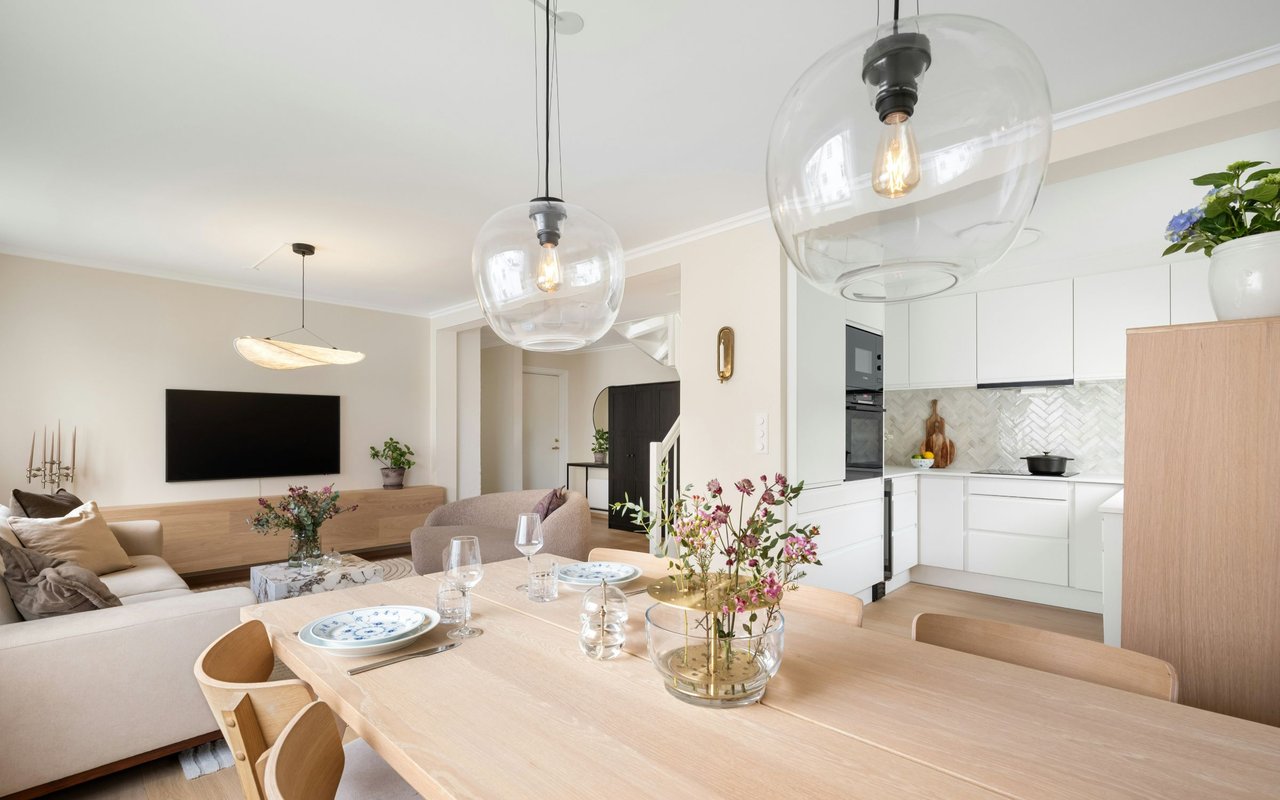
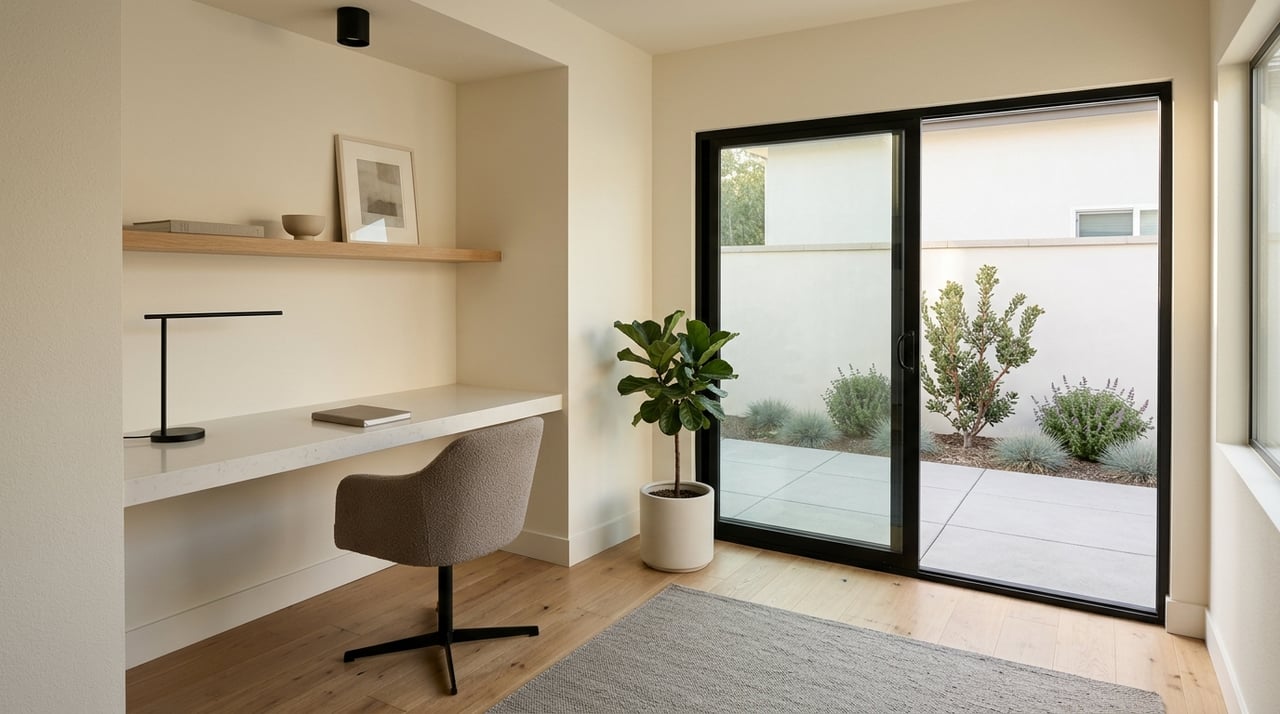
You may want space for a dedicated office, a guest room that can double as a work area, or a quieter separation between living and working zones. In a city with many single-family properties, you may find more opportunities to prioritize those features than you would in a market centered more heavily on attached housing.
Pacifica’s R-1 zoning also allows one single-family dwelling per lot along with ADUs, JADUs, and accessory structures. For some buyers, that opens the door to future flexibility, such as adding workspace or planning for a later expansion. If long-term adaptability matters to you, this is an important part of the conversation.
Pacifica Is a Competitive Market
Flexible scheduling may give you more lifestyle options, but it does not change the fact that Pacifica is a seven-figure market. As of spring 2026, reported median sale prices were in the low-to-mid $1.28 million range, with Redfin at $1,284,231 for May 2026 and Zillow showing a typical home value of $1,281,444 and a median sale price of $1,273,167 for April 2026.
Homes have also been moving relatively quickly. Redfin reported about 13 median days on market, while Zillow showed around 16 days to pending. Realtor.com’s May 2026 data showed a median listing price of $1.299 million and a sale-to-list price ratio of 103%.
The key takeaway is simple: Pacifica is not a bargain version of coastal Bay Area living. You should expect meaningful neighborhood-by-neighborhood price differences, but you should also plan for strong competition and be ready to act when the right property comes up.
Neighborhood Price Differences Matter
One benefit of looking closely at Pacifica is that pricing is not flat across the city. Realtor.com’s May 2026 neighborhood snapshot placed Westview and Pacific Highlands at about $999,999, while Park Pacifica was around $1.392 million.
That spread can be helpful if your work flexibility lets you stay open-minded about location within the city. Instead of focusing on a single pocket, you may be able to compare neighborhoods based on your mix of budget, home style, views, and access to outdoor amenities.
This is where local guidance becomes especially valuable. Two homes with similar list prices can offer very different trade-offs depending on lot position, neighborhood character, and how the home supports your day-to-day work routine.
Commuting in Pacifica: What to Expect
Pacifica can work well for hybrid schedules, but it is important to go in with realistic expectations about transit. SamTrans is the main public transit backbone for the city, and Pacifica’s setup is built more around bus connections than an in-town rail stop.
The Coastside Services page says Linda Mar Park and Ride offers commuters a place to park and transfer to the wider Bay Area transit network. SamTrans also lists BART connections via routes PCX and 110 to Daly City BART, while Route 112 links Sharp Park and Colma BART.
In practical terms, that means your office days may be very manageable if they are limited, but Pacifica is generally less convenient than living directly on a rail corridor. If you only commute occasionally, that trade-off may feel well worth it. If you need a rail-first, daily commute pattern, you may want to compare Pacifica carefully with inland Peninsula options.
Coastal Ownership Has Real Trade-Offs
Pacifica’s scenery is a major draw, but coastal living comes with its own considerations. Wind exposure is part of life in some areas, and both city and county sources note windy bluff conditions. The city also notes that Pacifica Municipal Pier fronts Sharp Park Beach, where strong winds and punishing waves can sometimes lead to closures.
Access to outdoor destinations can also come with parking limitations. San Mateo County notes that Devil’s Slide Trail is a 1.3-mile multi-use trail and encourages public transit on weekends because parking is limited.
If you are planning future updates, permits matter too. The city says development within Pacifica’s Coastal Zone generally requires a Coastal Development Permit, although some smaller single-family and ADU or JADU projects may qualify for exemptions or administrative review. If you are buying with renovation plans in mind, this is an important detail to explore early.
How Pacifica Compares to Nearby Cities
Pacifica is often part of a larger Peninsula search. Buyers commonly compare it with places such as Daly City, South San Francisco, San Bruno, San Mateo, Millbrae, Belmont, and Half Moon Bay.
The core question is usually whether you want to lean more toward coastal lifestyle and open space or toward transit density and urban convenience. Pacifica sits in a unique middle ground. It offers coastal character and access to nearby city centers, but it does not try to function like a dense downtown market.
For a buyer with a flexible schedule, that can be a real advantage. You may be able to choose a home based on how you want your weekdays and weekends to feel, not just how quickly you can get to an office five days a week.
Smart Buying Tips for Flexible Workers
If Pacifica is on your shortlist, keep these priorities in mind as you search:
- Think beyond commute time. Consider how often you actually go into the office and whether that schedule supports a more lifestyle-driven move.
- Evaluate work-from-home function. Look at noise, layout, natural light, and whether the home has space that can truly support your workday.
- Study neighborhood differences. Pacifica’s home styles and pricing vary more than many buyers expect.
- Ask about future flexibility. If you may want an ADU, remodel, or expanded workspace later, zoning and coastal permit rules matter.
- Be financially prepared. Pacifica remains a competitive, seven-figure market where well-priced homes can move fast.
Making a Confident Move in Pacifica
Buying a home in Pacifica with a flexible work schedule is often less about chasing the shortest commute and more about matching your home to the life you want to live. If beaches, trails, open space, and a broader range of single-family housing options matter to you, Pacifica may offer a compelling alternative to more rail-centered Peninsula markets.
The key is to balance the lifestyle upside with the practical realities of pricing, transit, and coastal ownership. When you understand those trade-offs clearly, you can search with more confidence and make choices that support both your work routine and your long-term goals.
If you want help comparing Pacifica with other Peninsula options or narrowing down the right fit for your schedule and budget, Suzanne Garcia offers hands-on buyer guidance rooted in local market knowledge and clear communication.
FAQs
Is Pacifica a good place to buy a home for remote work?
- Pacifica can be a strong fit for remote workers because it offers coastal living, extensive open space, and a housing mix dominated by single-family homes, which may provide more flexibility for home office setups.
Is Pacifica convenient for hybrid commuting to San Francisco or the Peninsula?
- Pacifica can work well for hybrid commuting because SamTrans connects the city to BART through routes including PCX, 110, and 112, but it is generally less convenient than living directly on a rail corridor.
What is the Pacifica housing market like for buyers?
- Pacifica is a competitive, seven-figure market, with spring 2026 median sale prices around the low-to-mid $1.28 million range and relatively quick market times reported by major housing platforms.
Are Pacifica neighborhoods very different from each other?
- Yes, Pacifica neighborhoods vary in home style, setting, and pricing, from older homes and condominiums in some areas to larger modern homes and hillside properties in others.
Can you add an ADU to a home in Pacifica?
- Pacifica’s R-1 single-family zoning allows one single-family dwelling per lot along with ADUs, JADUs, and accessory structures, though permit requirements can vary by property and location.
Do coastal rules affect home improvements in Pacifica?
- Yes, the city says development within Pacifica’s Coastal Zone generally requires a Coastal Development Permit, although some smaller single-family and ADU or JADU projects may qualify for exemptions or administrative review.