If you are deciding where to live in Redwood City, the biggest question may not be whether to buy here. It may be what kind of daily life you want once you do. Some buyers want restaurants, transit, and activity just outside the door, while others want a more residential setting with different housing options and nearby parks. This guide will help you compare downtown and neighborhood living in Redwood City so you can focus your search with more confidence. Let’s dive in.
Downtown Redwood City at a Glance
Downtown Redwood City is the city’s commercial and entertainment core. According to the City, downtown includes more than 75 restaurants, hundreds of retail and personal-service businesses, and a busy entertainment district. City materials also describe downtown as the heart of Redwood City and the entertainment center of the Peninsula.
This part of Redwood City is also still evolving. The Downtown Precise Plan, which covers the downtown core and nearby areas, was most recently amended in June 2023. For you as a buyer, that signals an area with ongoing planning, activity, and continued investment.
Neighborhood Redwood City at a Glance
Outside downtown, Redwood City offers a wide range of residential areas. The City describes these as strong, involved neighborhoods that span places including Farm Hill Road, Redwood Shores, Friendly Acres, Woodside Plaza, Roosevelt, and even areas near downtown.
The key difference is the overall setting. Neighborhood areas are generally framed by the City as community-oriented residential districts rather than commercial hubs. If you picture quieter streets, a more home-centered feel, and varied residential patterns, this side of Redwood City may align better with what you want.
Housing Styles Compare Differently
Downtown Homes and Buildings
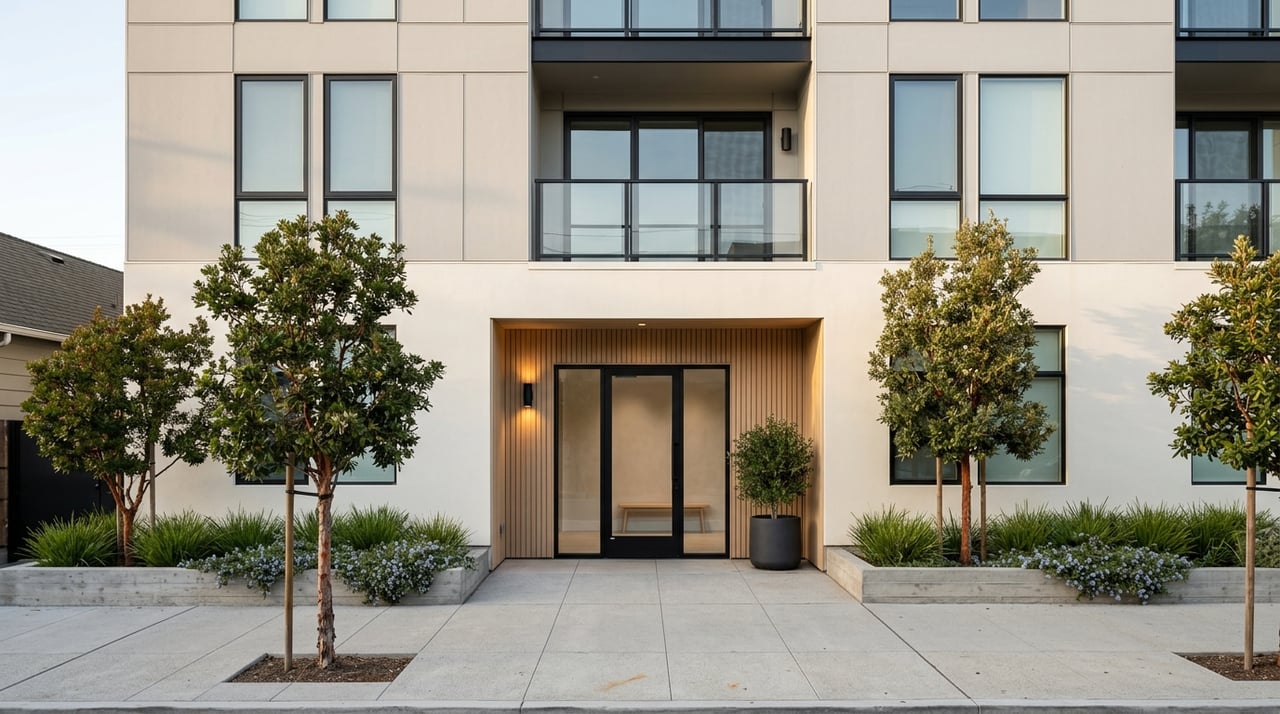
Downtown is planned for higher-density, mixed-use living. City land-use documents describe this area as the historic core, with multi-story residential and commercial development that includes stacked flats, apartments, and condominiums.
Building heights in downtown can range from 3 to 12 stories, with 8 stories being the primary pattern in many areas. If you want a condo or apartment-style home near services and transit, downtown offers the clearest fit.
Neighborhood Housing Options
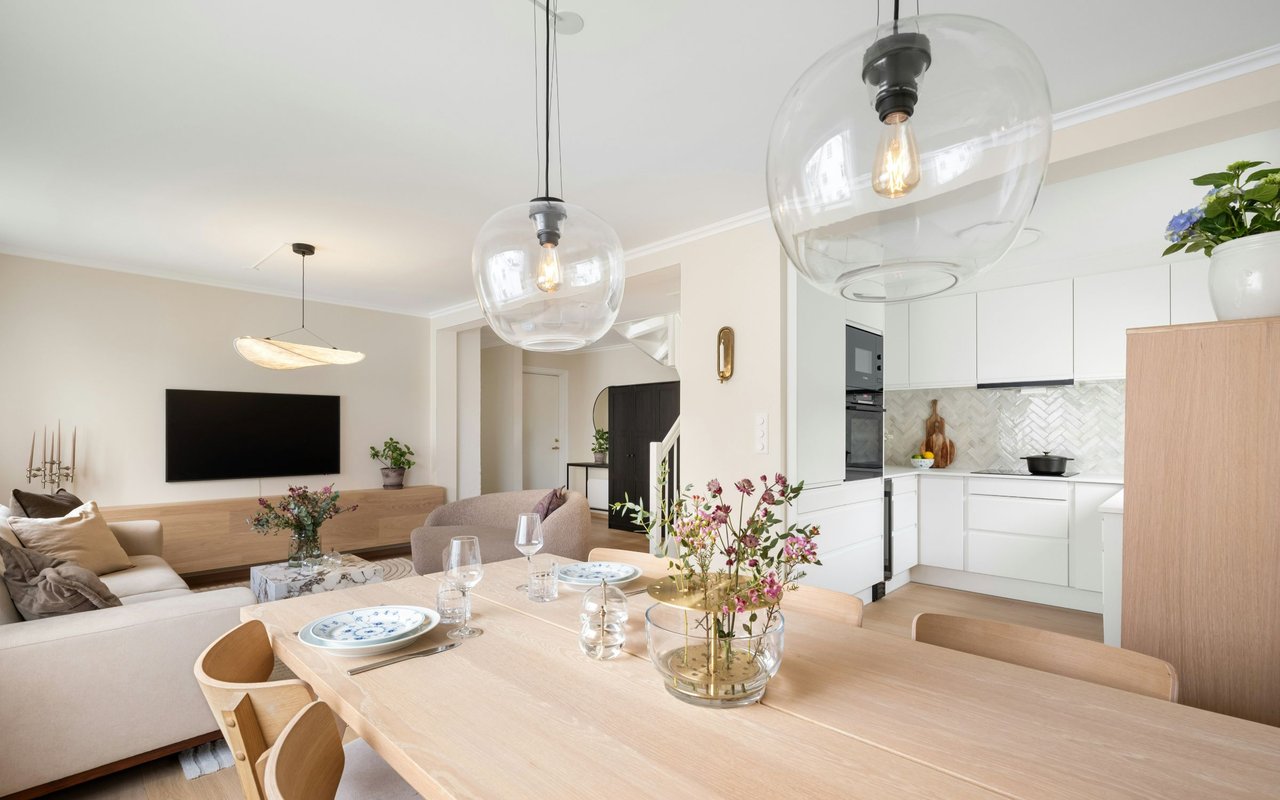
Outside downtown, the housing mix is broader. City planning documents include low-density detached homes, medium-density condos, apartments, duplexes, row houses, townhouses, stacked flats, and apartments across different parts of Redwood City.
That gives you more variety if your priorities include floor plan flexibility, different lot sizes, or a more traditional detached-home setting. In older neighborhoods, the City also identifies “missing middle housing” such as duplexes, triplexes, and fourplexes that fit alongside detached homes.
What That Means for Buyers
If your search starts with walkability and lower-maintenance living, downtown may feel more straightforward. If your search starts with space, housing variety, or a more residential setting, the surrounding neighborhoods may give you more options to compare.
Neither choice is universally better. The right fit depends on how you want your home to support your routine, your commute, and your long-term goals.
Daily Life Feels Different
Downtown Activity and Energy
Downtown living usually means a busier street environment. The City highlights restaurants, retail, theaters, and seasonal events on Courthouse Square, including movies and live music.
Because of that land-use mix, downtown is generally the higher-activity choice. You may experience more evening and weekend activity, along with more ambient noise than you would in surrounding residential areas.
Neighborhood Pace and Feel
Residential neighborhoods usually feel more separated from commercial uses. While every block is different, the overall experience is often shaped more by homes, local streets, and neighborhood-serving parks than by entertainment venues.
If you value a more residential rhythm in your day-to-day life, that distinction matters. It can influence everything from morning parking to how your evenings feel once you are home.
Transit and Parking Matter
Downtown Transit Access
Transit access is strongest downtown. The City says the Redwood City Caltrain stop is in the heart of downtown, and visitor information notes that several bus lines and Caltrain stop within blocks of Courthouse Square.
SamTrans also lists multiple Redwood City routes that connect to Redwood City Caltrain and the Redwood City Transit Center. If you want to rely more on transit for work or daily errands, downtown has a clear advantage.
Downtown Parking Setup
Parking downtown is more structured and managed. The City lists garage, lot, and street parking options, including the first 1.5 hours free in some garages, core street parking at $1 per hour, and peripheral downtown streets at $0.50 per hour.
The City also supports pay-by-space parking through the RWC Parking App and offers monthly permits in some garages. That setup can be convenient, but it also means parking often works differently than it does in lower-density residential areas.
Neighborhood Parking Patterns
In neighborhood areas, parking tends to be more property- and street-dependent. City planning materials point to parking requirements as an important consideration for older-neighborhood missing-middle housing.
For you, that means parking conditions can vary a lot by property type and block. A detached home, townhouse, duplex, or condo may each come with a different parking experience, so it helps to evaluate this early in your home search.
Parks and Amenities Shape Lifestyle
Redwood City has a broad park system, with more than 30 unique parks according to the City. These range from small neighborhood parks to larger multi-use parks, and they include features such as off-leash dog parks and a skate park.
That creates an important lifestyle contrast. Downtown living tends to emphasize walkable urban amenities and public events, while neighborhood living may place you closer to local parks and larger recreation spaces.
Red Morton Park is a strong example of the neighborhood-park side of Redwood City. The City lists it at 31.74 acres and notes amenities including baseball and soccer fields, basketball, tennis, pickleball, bocce, horseshoes, picnic areas, restrooms, and the Magical Bridge Playground.
How to Choose the Better Fit
If you are torn between downtown and a neighborhood setting, start with your real routine instead of your idealized one. Think about how often you would truly use restaurants, live events, transit, or walkable retail compared with how much you value space, quieter surroundings, or a wider range of housing types.
A few questions can help clarify your direction:
- Do you want condo or apartment-style living, or are you hoping for a detached home or townhouse?
- How important is being near Caltrain or bus connections?
- Are you comfortable with a busier environment near entertainment uses?
- Would you rather prioritize residential streets and nearby parks?
- How much does parking setup matter to your day-to-day routine?
When buyers answer those questions honestly, the right area usually becomes clearer.
Why Redwood City Appeals to Different Buyers
One of Redwood City’s strengths is that it is not a one-style market. City planning and neighborhood information show a mix of high-density downtown development, older neighborhoods with missing-middle housing, and residential areas supported by a broad park network.
That flexibility can be especially helpful if you are a first-time buyer, a relocating buyer, or someone trying to balance commute needs with lifestyle preferences. You do not have to force a one-size-fits-all choice here. Redwood City gives you multiple ways to live.
A Local Approach Helps
Choosing between downtown and neighborhood living is easier when you can compare real homes in the context of how you actually plan to live. That includes looking beyond square footage and price to think about building style, parking, street activity, transit access, and nearby amenities.
If you want help narrowing down the right fit in Redwood City or anywhere on the Peninsula, Suzanne Garcia offers hands-on buyer and seller representation with clear communication, local insight, and thoughtful guidance from start to finish.
FAQs
Is downtown Redwood City good for buyers who want walkability?
- Yes. City information shows downtown offers restaurants, retail, entertainment, and strong access to Caltrain and bus connections within blocks of Courthouse Square.
What types of homes are common in downtown Redwood City?
- City planning documents describe downtown as higher-density, mixed-use development with housing types such as apartments, stacked flats, and condominiums.
Do Redwood City neighborhoods offer more housing variety than downtown?
- Yes. Outside downtown, City land-use materials show a broader mix that can include detached homes, condos, duplexes, townhouses, row houses, and apartments.
Is downtown Redwood City noisier than surrounding neighborhoods?
- Generally, yes. Based on the City’s description of downtown restaurants, theaters, retail, and public events, downtown is typically the more active environment.
Are there parks throughout Redwood City neighborhoods?
- Yes. The City says Redwood City has more than 30 unique parks, ranging from small neighborhood parks to larger recreation spaces like Red Morton Park.
How should you choose between downtown and neighborhood living in Redwood City?
- Focus on your daily routine, preferred home style, transit needs, parking expectations, and whether you want a more active or more residential setting.