
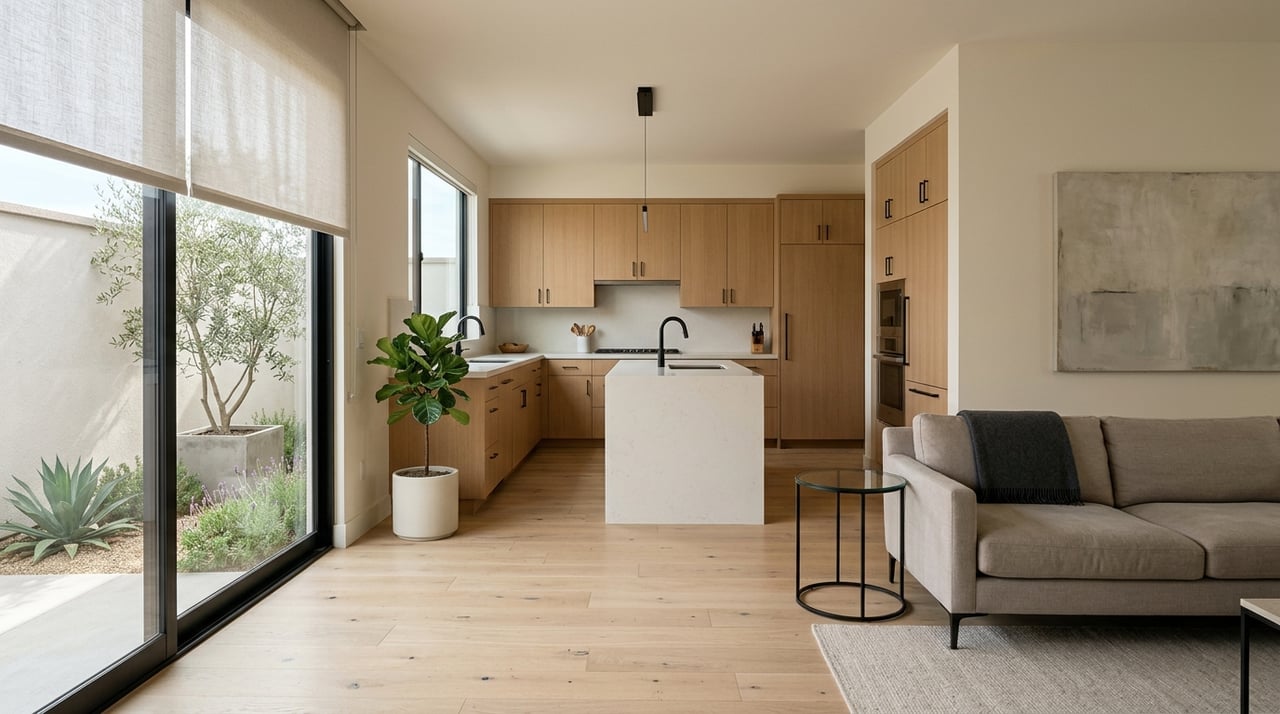
Thinking about selling your South San Francisco home soon? In a market where well-prepared homes can attract strong attention quickly, the difference between an average listing and a standout one often comes down to what you do before the home goes live. If you want to reduce stress, present your home well, and put yourself in a stronger position when buyers start comparing options, a thoughtful prep plan can help. Let’s dive in.
Why prep matters in South San Francisco
South San Francisco remains a fairly active market by recent public measures. Redfin reports a median sale price of $1,299,222, about 14 median days on market, and an average of 6 offers over the three months ending May 2026. Realtor.com also describes the city as a seller’s market, with a May 2026 median sold price of $1.19M, 28 days on market, and a 100% sale-to-list ratio.
What does that mean for you as a seller? It means buyers are still watching new listings closely, but that does not make preparation optional. In a market that moves quickly, polished presentation and smart pricing can help your home make the right first impression from day one.
Start with the highest-impact updates
You do not need a full remodel to get your home ready for market. The research points to a more practical path: focus first on the tasks that help buyers see the home clearly and confidently.
According to the National Association of Realtors 2023 Profile of Home Staging, the most common seller prep recommendations were decluttering, whole-home cleaning, removing pets during showings, professional photos, and minor repairs. The same report found that 81% of buyers’ agents said staging makes it easier for buyers to visualize the property as a future home.
Declutter every visible space
Decluttering is often the first and most important step. It helps rooms look larger, cleaner, and easier to understand in both photos and in-person showings.
Start by removing extra furniture, overfilled shelving, countertop items, personal collections, and anything that makes a room feel crowded. If you are planning to move anyway, this is a great time to pack items you do not need every day.
Deep clean before anything else
A clean home signals care and makes every other improvement look better. Even fresh paint and nice staging can fall flat if buyers notice dusty baseboards, smudged windows, or worn surfaces.
Whole-home cleaning should include floors, kitchens, bathrooms, windows, light fixtures, and often-overlooked corners. If needed, a professional cleaning can save time and create a more consistent result before photos and showings.
Handle obvious minor repairs
Small issues can create bigger doubts in a buyer’s mind. A dripping faucet, loose cabinet handle, chipped trim, or burned-out light bulb may seem minor, but together they can make a home feel less cared for.
Walk through your property as if you were seeing it for the first time. Fix the simple items that are easy to notice and easy to address before they become distractions during tours.
Refresh paint and touch-ups
Not every home needs full interior painting, but many benefit from touch-ups or repainting high-wear areas. Clean, simple finishes can make the home feel brighter and more move-in ready.
If you repaint, keep the look cohesive and understated. The goal is to help buyers focus on the space itself, not on bold color choices or surface wear.
Focus staging where it counts most
If you are deciding where to invest your time and budget, focus on the rooms that tend to matter most to buyers. The staging report found that the most commonly staged spaces were the living room, kitchen, primary bedroom, and dining room.
That finding supports a simple strategy: start with the rooms buyers notice first and remember most. Those spaces often shape the emotional tone of the entire showing.
Prioritize key rooms first
If you are not staging the whole home, begin with:
- Living room
- Kitchen
- Primary bedroom
- Dining area
These areas often carry the visual weight of the listing. Clean lines, balanced furniture placement, and a calm, uncluttered look can go a long way.
Remove pets during showings
The same staging research found that removing pets during showings is a common recommendation. This is less about style and more about helping buyers move through the home comfortably and without distraction.
Pet items like crates, bowls, toys, and litter setups are also worth minimizing before photography. A clean, neutral presentation helps more buyers focus on the home itself.
Do not overlook curb appeal and exterior tidiness
Your prep plan should include the outside of the home, not just the interior. In South San Francisco, exterior tidiness is also tied to local code-enforcement expectations.
The City’s guidance says trash bins must be out of public view on non-pickup days. It also notes that garbage, old furniture, scrap materials, appliances, and overgrown vegetation can be considered a public nuisance.
Create a cleaner first impression
Before listing, take time to:
- Store trash and recycling bins out of view on non-pickup days
- Remove unused items from yards and side areas
- Trim overgrown vegetation
- Clear away debris or bulky materials
- Tidy entry paths and visible exterior surfaces
These steps help your property look more cared for in photos and during drive-bys. They also reduce the chance that exterior clutter becomes a last-minute issue during the listing process.
Gather permits and paperwork early
Home prep is not only cosmetic. In California, selling often involves early attention to records, disclosures, and property history.
If your home has had additions, exterior changes, or older improvements, it is wise to gather permit information as soon as possible. South San Francisco’s Permit Center can help determine whether Planning, Building, or other permits were needed for prior work.
Why permit research matters
When paperwork questions come up late, they can slow momentum and create stress. Starting early gives you more time to confirm records and prepare for buyer questions.
The City’s Planning Division says planning applications are filed online through the permitting portal, and some projects require Preliminary Project Review before submittal and review for completeness and zoning compliance. For sellers, the practical takeaway is simple: if work was done, check the records early rather than waiting until the home is already on the market.
Prepare required disclosures
California sellers of most residential properties must provide a Real Estate Transfer Disclosure Statement, or TDS, describing the condition of the property. According to the California Department of Real Estate guide, the TDS should be delivered as soon as practicable and before transfer of title.
Natural Hazard Disclosure may also apply if the property is in certain mapped hazard zones, including special flood hazard areas, very high fire hazard severity zones, earthquake fault zones, seismic hazard zones, and wildland fire areas. This is another reason to start the prep process early and keep documentation organized.
Finish prep before photography
One of the most common mistakes sellers make is scheduling photography too soon. If repairs are unfinished, surfaces are not clean, or staging is incomplete, the listing can lose impact before buyers even step through the door.
The staging research shows that photos matter greatly, with buyers’ agents and sellers’ agents both identifying them as a key listing asset. Videos and virtual tours also rank as important marketing tools.
Follow the right order
A strong pre-listing sequence usually looks like this:
- Declutter
- Deep clean
- Complete obvious minor repairs
- Refresh paint or touch-ups as needed
- Stage the most important rooms
- Schedule photography and video
- Launch with pricing and marketing aligned to the home’s presentation
That order helps your home look finished, intentional, and market-ready when it is introduced to buyers.
Use a phased launch when it makes sense
A smart launch is not always a one-day event. Compass describes a staged marketing rollout that can begin before the home is fully ready for the broader market.
Private Exclusives can help generate early demand and pricing insight before a home is fully market-ready. Coming Soon can expand visibility while final improvements are wrapping up. The final public launch then sends the home to the MLS and third-party sites with refined pricing and positioning.
Why launch sequencing can help
Compass notes that Private Exclusives and Coming Soon can help avoid accruing days on market or public price-drop history while prep is still underway. For sellers, that can create more flexibility while the home is being polished behind the scenes.
This approach works especially well when paired with a disciplined prep plan. Instead of rushing to market, you can focus on getting the home truly ready and then launching it with stronger visuals and a clearer pricing strategy.
Consider support for prep costs
If the work list feels larger than expected, there may be ways to handle improvements without paying all costs upfront. Compass says Concierge fronts the cost of eligible home-improvement services, with no payment due until closing, subject to program terms, credit approval, and underwriting.
Covered services can include staging, deep cleaning, decluttering, painting, flooring, landscaping, pest control, seller-side inspections and evaluations, and some kitchen and bathroom improvements. For many sellers, that can make it easier to complete meaningful prep without managing every vendor and invoice alone.
A practical seller checklist
If you want a simple roadmap, here is a strong place to start:
- Declutter closets, surfaces, and storage areas
- Deep clean the entire home
- Complete obvious minor repairs
- Touch up or repaint worn areas
- Tidy the yard and store bins out of view when required
- Gather permit records for prior work
- Organize disclosure-related information
- Stage key living spaces
- Schedule professional photography and video after prep is done
- Launch with a pricing and marketing plan matched to the home’s condition
Selling a home in South San Francisco is not just about putting a sign in the yard. It is about creating a clean, confident, well-documented presentation that helps buyers respond quickly and positively.
If you want a hands-on, low-stress plan for getting your home market-ready, Suzanne Garcia can help coordinate the details, connect you with trusted vendors, and guide your launch from prep through negotiation.
FAQs
What home improvements matter most before listing in South San Francisco?
- The highest-impact steps supported by the research are decluttering, whole-home cleaning, removing pets during showings, completing minor repairs, staging key rooms, and using professional photography.
What rooms should you stage before selling a South San Francisco home?
- The most commonly staged rooms are the living room, kitchen, primary bedroom, and dining room, which makes them smart priorities if you are focusing your budget.
What exterior items should sellers fix before listing a South San Francisco property?
- Sellers should tidy the yard, remove clutter, manage overgrown vegetation, and keep trash bins out of public view on non-pickup days based on City guidance.
What disclosures do California sellers usually need before closing on a South San Francisco home sale?
- California sellers of most residential properties must provide a Real Estate Transfer Disclosure Statement, and Natural Hazard Disclosure may apply if the property is in certain mapped hazard zones.
When should you gather permit records before selling a South San Francisco home?
- You should gather permit information early in the prep process, especially if the home has had additions, exterior changes, or older improvements that may prompt buyer questions.