Choosing between east of 101 and west of El Camino in San Carlos can feel like picking between two great lifestyles. You might love downtown’s coffee runs and Caltrain access, yet crave the privacy and space you get in the hills. This guide breaks down what changes across housing, walkability, terrain, microclimates, commutes, and typical price dynamics so you can match a neighborhood to your day-to-day needs. Let’s dive in.
What “east” and “west” mean
San Carlos buyers often use two simple reference points. West of El Camino Real puts you closer to downtown and the residential streets that climb toward the hills. East of 101 covers the areas between El Camino and the freeway and stretches toward the Bay. Differences you’ll notice most are walkability near Laurel Street and Caltrain, plus how elevation and lot slope change home styles and daily routines.
Housing types and lots
West of El Camino: What to expect
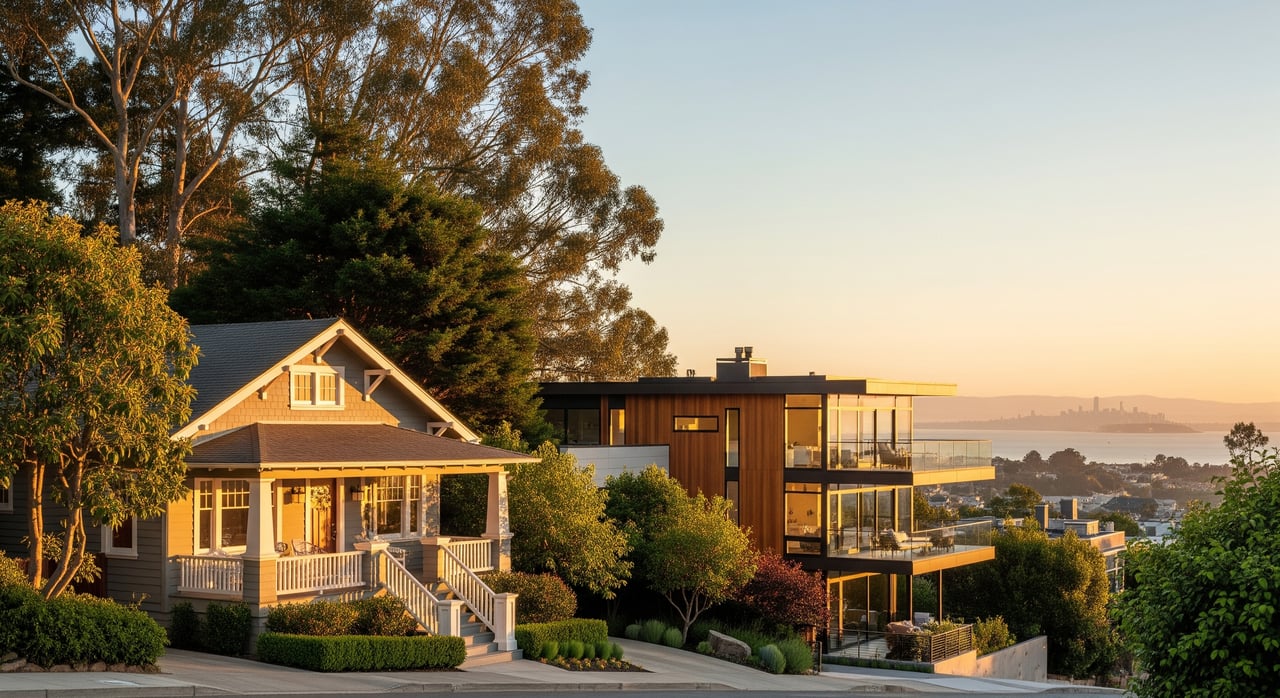
You’ll find many historic bungalows, Craftsman homes, and mid-century single-family houses on modest, more regular lots. There are also pockets of townhomes and small multifamily buildings near commercial corridors. Flat parcels often make remodels and accessory dwelling units easier, subject to zoning. Many homes date from the early to mid 20th century, so plan for updates like electrical, plumbing, and seismic anchoring.
East of 101 and the hills: What to expect
Homes tend to be larger single-family properties, often on sloped, irregular lots with mature trees and, in some cases, expansive views. Many are custom or extensively renovated. Steeper sites can bring higher maintenance for drainage, retaining walls, and driveways, and projects may require geotechnical review. Some hill neighborhoods sit at higher elevations, offering more privacy and a different microclimate.
Walkability and daily life
Downtown access and errands
The highest walkability centers around Laurel Street and the San Carlos Avenue corridor. If your ideal weekend includes strolling to restaurants, coffee, groceries, and the Caltrain station, focus near this spine. These blocks trade yard size for convenience, and some homes have tighter parking or older one-car garages.
Car-oriented pockets
In many hill areas and some outer east-side blocks, daily errands usually involve driving. Commercial strips along El Camino provide parking and services but are less pedestrian focused than downtown. If you want bigger interiors, yards, and a quieter setting, these areas often fit the bill.
Parking and street character
Near-transit streets can feel busier and may have street parking limits. Hillside and east neighborhoods commonly offer driveways and larger garages, though steep grades can affect access. Decide how much you value walkable convenience compared to easier parking and more space.
Terrain, microclimate, and site risks
Hillside living changes how your home lives day to day. Sloped streets can mean longer drives to services and more complex construction logistics, but they also deliver privacy and potential outlooks. Microclimates vary across San Carlos. Higher elevations and sunny exposures often warm earlier and clear fog sooner, while lower areas near the Bay can run cooler or breezier in afternoons. Differences are usually modest, but they matter for sun on decks, gardening, and comfort.
Consider due diligence on site risks before you bid or plan large projects. Properties near tidal marshes may require flood-zone checks. Steep slopes can carry landslide or soil stability concerns that call for geotechnical input. Some hill areas have vegetation where defensible space and brush management are smart. Across the Bay Area, it is prudent to evaluate seismic retrofit needs, including chimney bracing and, for older structures, foundation anchoring.
Commute options and patterns
Transit
San Carlos has a Caltrain station that many buyers rely on for trips to San Francisco, Redwood City, Palo Alto, Mountain View, and San Jose. Service patterns and travel times are schedule dependent, so check current timetables if transit is a priority for you. SamTrans bus routes provide local connections, with frequency varying by route and time of day.
Driving
U.S. 101 is the main north–south artery. East-side locations typically reach the on-ramps a bit faster, which appeals to commuters who drive to Peninsula employers. West-side and hill addresses can add a few minutes to reach 101, depending on your exact street. Access to I-280 is more circuitous from San Carlos, so factor that into your commute profile.
Noise and traffic tradeoffs
Proximity to 101 and El Camino often brings more traffic noise and activity. If you are sensitive to sound, evaluate the specific block at different times of day. If quick freeway access is your top need, weigh the convenience against your comfort with the street environment.
Price dynamics and what drives premiums
San Carlos pricing often reflects a balance between convenience and space. Homes close to downtown and Caltrain commonly command premiums for walkability. Hillside properties with larger lots and views also attract premiums, especially with strong outlooks or updated condition. A compact home near Laurel Street can trade at similar prices to a larger but less walkable hill property, depending on condition, lot, and views. Market conditions on the Peninsula can shift with interest rates, tech employment, and inventory, so review the most recent local MLS data when you are ready to act.
Renovation, expansion, and maintenance
Flat, regular lots near downtown often make additions and ADUs more straightforward, subject to current zoning. Older central homes may still need upgrades to plumbing, wiring, and seismic components. On sloped sites, foundation work, grading, and drainage add complexity and cost to remodels or expansions. Routine upkeep for hillside homes can also include maintaining retaining walls, driveways, and erosion control.
How to choose: a quick checklist
- Daily walkability: Do you want to stroll to Laurel Street, groceries, and Caltrain?
- Commute: Do you prioritize fast access to 101, or will you rely on Caltrain and local buses?
- Lot and privacy: Is a larger yard or a more secluded setting a must-have?
- Sun and climate: Do you prefer sunnier, warmer exposures or cooler, breezier pockets?
- Remodel plans: Are you prepared for the cost and logistics of building on a slope?
- Noise tolerance: Will proximity to 101 or El Camino affect your day-to-day comfort?
Who tends to prefer each side
- If you value walkable routines and transit, focus on streets west of El Camino near downtown. Expect modest lot sizes and older housing stock, often with strong neighborhood feel.
- If you want more interior space, larger lots, and potential views, look toward the hills and east-side areas. Plan for more driving, steeper grades, and higher maintenance for site work.
- If you need quick freeway access for employer commutes, east-side proximity to 101 can save minutes, while west-side addresses favor Caltrain accessibility.
Work with a local, hands-on guide
Your best match comes from walking the blocks, timing commutes, and weighing tradeoffs against your budget. That is where local, boutique representation helps. Suzanne pairs neighborhood fluency with full-service coordination, from pre-offer inspections to vendor referrals for geotechnical, drainage, or seismic evaluations. She brings Compass-backed tools and a curated network to make complex choices feel clear and manageable. When you are ready to compare specific homes east of 101 and west of El Camino, reach out to Suzanne Garcia to plan a focused tour and a data-backed strategy.
FAQs
What are the biggest differences between west of El Camino and east of 101 in San Carlos?
- West of El Camino emphasizes walkability to downtown and Caltrain on flatter lots, while east of 101 and the hills trade some convenience for larger lots, privacy, and potential views.
How does walkability compare across San Carlos neighborhoods?
- Downtown and the Laurel Street corridor offer the highest pedestrian convenience, while many hill and outer east-side areas are more car-dependent for daily errands.
Do hillside homes in San Carlos cost more to maintain?
- They can, due to sloped lots that may require drainage work, retaining wall upkeep, driveway maintenance, and occasionally geotechnical input for projects.
Is flood risk a concern near the Bay in San Carlos?
- Properties closer to tidal marshes can fall within designated flood zones, so it is smart to check current flood maps during due diligence.
What commute options should I plan around in San Carlos?
- Caltrain serves the city and is key for transit commuters, while drivers often use 101 for north–south trips; access to I-280 is more indirect from San Carlos.
How do prices typically vary between downtown and hillside areas?
- Proximity to downtown and Caltrain often commands premiums, as do hillside homes with larger lots or views, with exact pricing depending on condition, lot, and current market trends.