
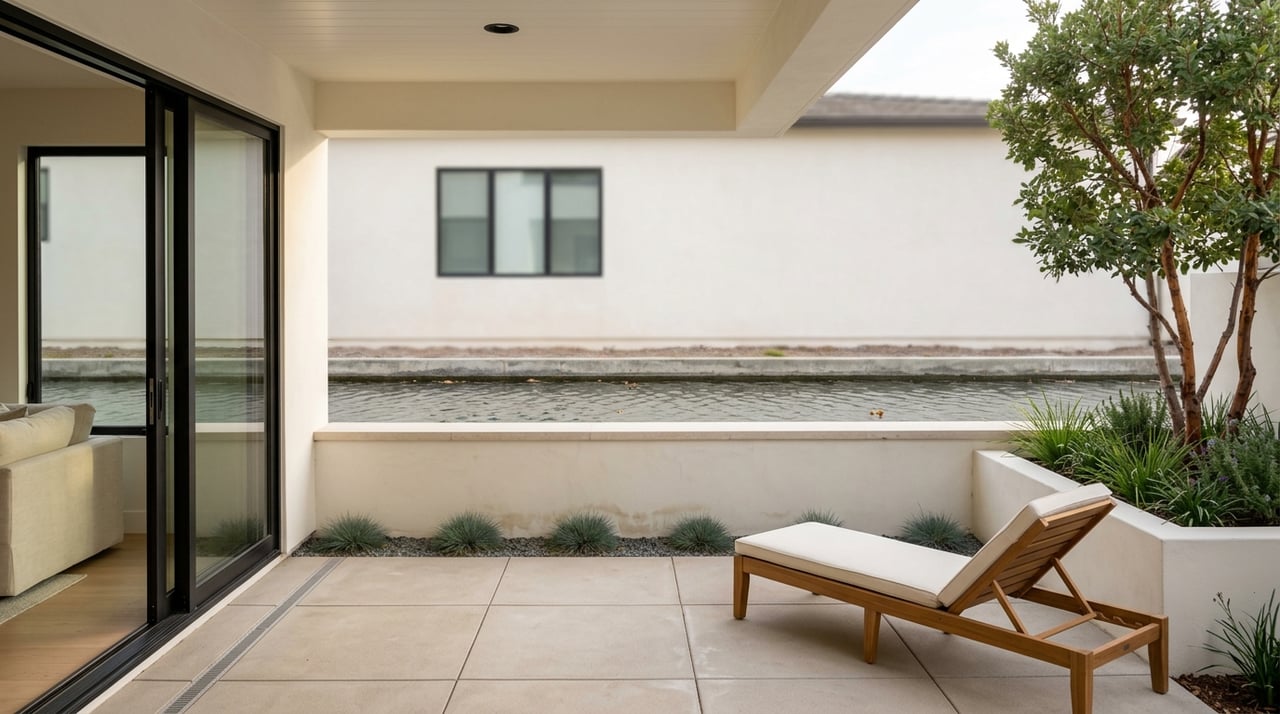
Wondering whether waterfront living in Foster City feels like beach-town California or something entirely different? If you are considering a move here, it helps to know that Foster City’s waterfront is less about crashing waves and more about an organized, everyday lifestyle built around lagoons, trails, parks, and planned neighborhoods. Understanding that difference can help you decide whether this setting fits your routine, priorities, and long-term ownership goals. Let’s dive in.
Foster City waterfront feels planned
Foster City is not a conventional shoreline community. It was designed as a planned community on reclaimed marshland, with waterfront homesites, parks, neighborhood shopping, and a range of housing types built into the original vision.
That design still shapes the experience today. The city’s lagoon system covers about 212 acres and runs roughly five miles through Foster City, creating a waterfront setting that feels calm, structured, and woven into daily life.
The water here is not just scenic. The lagoon also serves as part of the city’s drainage detention and stormwater infrastructure, so waterfront living in Foster City comes with both lifestyle appeal and practical civic function.
Waterfront homes come in several forms
One of the biggest surprises for buyers is how many different property types can offer a waterfront setting in Foster City. Waterfront living here can mean a single-family home along a lagoon edge, but it can also mean a townhome, condo, duplex, or apartment within a planned development.
That variety gives buyers more than one entry point into the market. If you want the feel of the water without taking on a detached home, a condo or townhome may still offer the setting and access you want.
It also means your ownership experience may vary a lot by property type. A detached home and a condo development near the lagoon can both be “waterfront,” but the day-to-day responsibilities and rules may look very different.
HOA review may be part of ownership
In many planned developments, homeowners association review is part of the process for exterior work. Foster City maintains HOA prototypes, and city permit guidance shows that HOA approval can be required before certain exterior projects are submitted to the city.
For buyers, that matters because waterfront homes often involve visible exterior elements. If your property has shared walls, common landscaping, or features near lagoon-facing areas, you may need to factor in design review and association requirements before making changes.
This does not make ownership harder by default, but it does mean you should go in with clear expectations. If you are comparing homes, it is smart to understand not just the property itself, but also the approval process that may come with it.
Recreation is part of daily life
A big reason people are drawn to Foster City waterfront homes is how easy it is to use the outdoor amenities regularly. The city reports more than 160 acres of park and open space, including bike paths, walkways, pedways, picnic areas, and athletic fields.
Several parks help define the waterfront experience. Catamaran Park offers a lagoon-side stroll, Leo J. Ryan Park provides lagoon access, Shorebird Park connects you to Bay Trail access and bay views, and Boat Park includes a boardwalk and launch facility.
This creates a lifestyle where being near the water is not only about the view from your window. It can also shape how you spend a Tuesday evening, a weekend morning, or a quick break between errands.
The lagoon supports light water activity
If you picture loud powerboats and high-speed traffic, Foster City’s lagoon is something else. The city limits vessels to sail, electric battery, or human power, prohibits gas and diesel boats, and sets a 5 mph speed limit.
Those rules help keep the environment quieter and more relaxed. For many residents, that means the lagoon is better suited to paddling, sailing, and gentle recreation than to heavy boating activity.
The result is a waterfront atmosphere that feels more peaceful than intense. If you enjoy an active but low-key outdoor routine, that is likely part of the appeal.
Trails make the water easy to use
The levee path connects into the Bay Trail and supports walking, running, bicycling, and skating. That makes the waterfront easy to enjoy even if you never plan to get on the water itself.
For some buyers, this is one of Foster City’s strongest selling points. You can build movement and outdoor time into your routine without needing a major outing or long drive.
In practical terms, waterfront living here often means more everyday access than occasional novelty. You may use the trail, parks, and paths far more often than you would use a dramatic but less accessible coastline.
Flood protection is a key local topic
If you are buying near the water, flood risk is naturally top of mind. In Foster City, the levee system is central to that conversation.
According to the city, FEMA has certified the levee as providing protection from the 1-percent annual chance flood. As a result, land in the city remains in Zone X, and mandatory flood insurance is not required, though FEMA still encourages homeowners to buy flood insurance.
The city also completed levee improvements in February 2024. Those improvements increased the levee’s height and width to improve storm and tide-surge protection and to address sea-level-rise projections through 2100.
For buyers, the main takeaway is simple: the water is a lifestyle feature here, but the infrastructure behind it is a major part of the ownership picture too.
Water quality deserves attention
Not every waterfront question is about views or recreation. Water quality is one of the more practical tradeoffs to understand before you buy.
The city has acknowledged recurring lagoon-beach bacteria issues at some sites, and city monitoring has identified water birds as a primary source. San Mateo County tests 43 recreational water sites each week, including Bay and lagoon beaches, and posts warnings when standards are exceeded.
If swimming access matters to you, it is worth checking current advisories rather than assuming all waterfront areas offer the same conditions year-round. A home’s proximity to water may be a major lifestyle plus, but that does not always mean the nearest access point is ideal for every type of recreation at all times.
Waterfront maintenance is more involved
Waterfront ownership in Foster City can come with more maintenance and review than an inland lot. The city states that property owners are responsible for maintaining lagoon-front portions adjacent to or visible from land or water.
Project checklists for waterfront properties may also call for details such as bulkhead or rip rap setbacks, dock references where relevant, and HOA action letters in planned developments. That means changes near the water may require more coordination than you would expect at a standard suburban property.
This is not necessarily a drawback, but it is an important expectation to have upfront. Buyers who value predictability usually benefit from understanding these responsibilities before they fall in love with a specific home.
Who waterfront living fits best
Foster City waterfront living is often a strong fit if you want a calm Peninsula environment with parks, trails, paddling, sailing, and a planned-community feel. It tends to appeal to buyers who want convenient outdoor access and a more managed waterfront setting.
It may be less ideal if you are looking for a raw coastal atmosphere or a classic oceanfront experience. Foster City offers water-centered living, but it does so in a distinctly suburban and carefully structured way.
That difference is exactly what many buyers love about it. You get the visual and lifestyle benefits of the water, along with a setting designed for regular use and everyday convenience.
What to weigh before you buy
If you are considering a waterfront home in Foster City, keep these questions in mind:
- What type of waterfront property fits your budget and lifestyle: condo, townhome, or single-family home?
- Will HOA rules affect the exterior changes you may want to make?
- How important are trails, park access, and light water recreation to your daily routine?
- Are you comfortable with the added maintenance and review that can come with lagoon-front ownership?
- Do you want nearby swimming access, and have you checked current water-quality advisories?
The right waterfront home is not just about the view. It is about how the location, property type, and ownership demands line up with the way you actually want to live.
If you want help comparing waterfront homes, understanding planned development details, or weighing the tradeoffs between a condo, townhome, or single-family property in Foster City, Suzanne Garcia offers hands-on Peninsula guidance with clear communication every step of the way.
FAQs
What makes Foster City waterfront living different from oceanfront living?
- Foster City waterfront living centers on a planned lagoon system, parks, and trails, so it feels more suburban and managed than a traditional oceanfront setting.
What types of waterfront homes are available in Foster City?
- Waterfront options in Foster City can include single-family homes, duplexes, townhomes, apartments, and condos, depending on the development and location.
What should buyers know about Foster City HOA rules near the water?
- In some planned developments, HOA approval may be required before certain exterior projects are submitted to the city, so buyers should review association requirements early.
What recreational activities are common near Foster City waterfront homes?
- Common activities include walking, running, biking, skating, paddling, sailing, picnicking, and enjoying park access along the lagoon and levee path.
What should buyers know about flood insurance in Foster City?
- The city says land in Foster City remains in Zone X and mandatory flood insurance is not required, though homeowners are still encouraged to consider flood insurance.
What should buyers know about Foster City lagoon water quality?
- Buyers interested in swimming or beach access should check current county advisories, since some lagoon-beach sites have had recurring bacteria issues and conditions can vary over time.